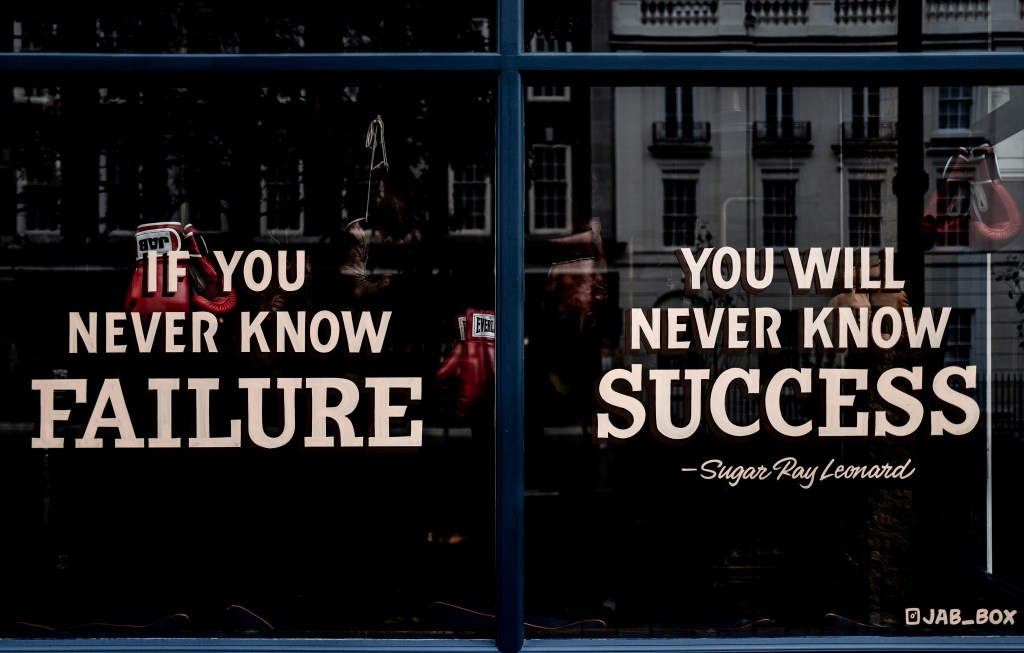
I was introduced to a friend recently to share some of my experience running a startup in a similar industry. It did pretty well in the first few years but ended up a failure. There were multiple reasons for the failure but I wanted to share two. Interestingly, there are also some learning for my personal finance journey.
Lesson 1: Always remember your core purpose
I attribute a big part of my startup’s failure to the loss of core purpose and direction in the late stages. When we started out, it was clear that we have to solve problem A, and we did well in that. But as we were ventured backed, we needed to find more growth and in the pursue of that we started to explore problem B, C, D, and E. This caused us to lose market share for the core customer base as we spread our resources too thin.
This recent news about Propertyguru is a great example in my view. Instead of focusing on helping people find properties, Propertyguru decided to venture into house cleaning, mortgages and software development. The final outcome is a loss of capital and employees.
Drawing comparison to my personal finance journey now. It is important for me to remember my core purpose here is to make sure I can be financially independent. This means that I will have to ensure my retirement portfolio is taken care of first.
Alternate investments like crypto, private lending, hedge funds etc etc sounds fun and promises high returns. I am already investing in a few of them but only because my retirement portfolio has been planned out and funds allocated. The investments in these alternate investments can go to zero (I hope not) and my overall lifestyle will still not be affected.
Never forget what is your end game.
Lesson 2: Lifestyle creep and escalating costs
Lifestyle creep shouldn’t be a foreign term. It basically means as you get more well off, you start to spend more money. This applies to startups too. In my startup, as our revenue grew, our funding grew and our marketing budget grew.
This means that we started to look for better crm systems, better infrastructure for the backend, better marketing agencies and bigger branding campaigns. All these added up to unnecessary cost and if I were to do it over again, I will keep everything as low cost as possible. This would not affect our performance and would have made us more profitable.
An extreme example will be Elon Musk cutting cost at twitter. As startups grow, they start to incur unnecessary cost.
This is true for personal finance too. Over here I am referring to investing and not so much what watches, cars and houses you spend on. As your retirement portfolio starts to grow, you think that maybe you will need more sophisticated tools. Another roboadvisor? Privilege or Private banker to assist in your investments? You start to explore investment alternatives which ends up charging an arm and a leg for the transaction cost. All these costs can be avoided and unnecessary too. Many studies have shown that more sophisticated products does not produce better returns.
Keep your investing costs low and buy more watches instead.
 The Wealth Farmer
Leave a comment